
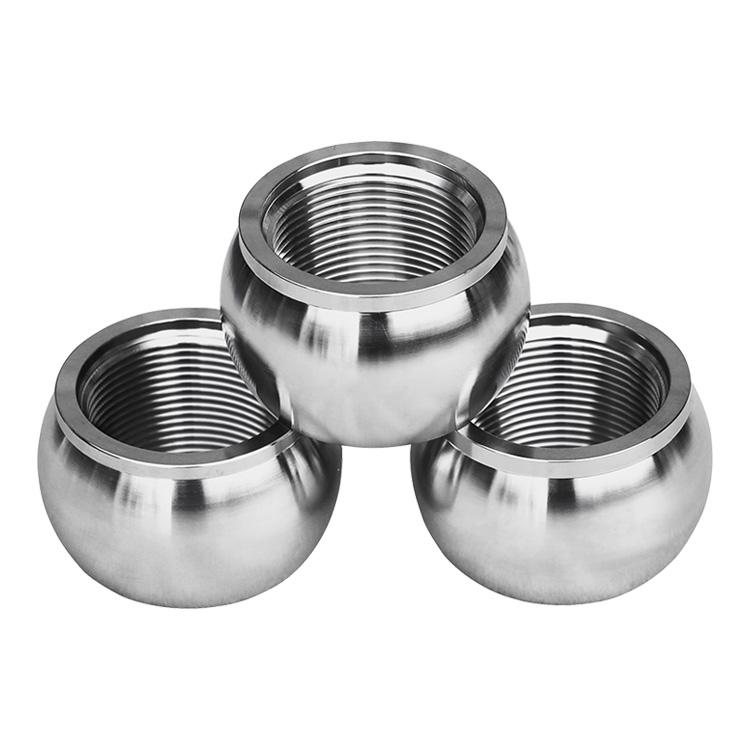
A neck flange is a critical pipe connection component used in industrial pipeline engineering applications where
strength, reliability, pressure resistance, and long-term sealing performance are required. In modern piping systems, neck flanges
play an essential role in joining pipes, valves, pumps, vessels, and other process equipment. They are widely used across industries
such as oil and gas, petrochemicals, power generation, water treatment, shipbuilding, chemical processing, metallurgy, and general
industrial manufacturing.
For engineers, procurement teams, plant designers, and maintenance specialists, understanding the technical characteristics of a
neck flange is important for ensuring safe operation, leak prevention, and efficient system integration. Compared with simpler
connection methods, a neck flange offers enhanced structural support and improved performance under high pressure, high temperature,
vibration, and cyclic loading conditions. This makes it a preferred solution in demanding industrial pipeline engineering environments.
This page provides original, SEO-friendly, industry-focused information about neck flanges, including definitions, advantages, common
types, design features, material options, specifications, standards, applications, selection guidance, and installation considerations.
The content is written for use in blog posts, category pages, product directories, and industrial engineering resource pages.
A neck flange is a type of pipe flange designed with an extended hub or neck that provides gradual transition from the flange face
to the pipe wall. This neck improves the mechanical strength of the connection and helps distribute stress more evenly at the weld
joint. In industrial pipeline engineering, the neck flange is typically welded to the pipe using a butt-weld connection, creating a
durable and dependable joint.
The defining feature of a neck flange is its tapered hub. This structural design reduces stress concentration and makes the flange
suitable for systems operating under high internal pressure or thermal expansion. Because of this geometry, neck flanges are often
selected for critical process lines, high-pressure pipelines, and applications where safety and sealing integrity are top priorities.
In technical terminology, neck flanges are frequently associated with weld neck flanges, although naming conventions may vary by
market and standard. Regardless of terminology, the main engineering purpose remains the same: to provide a strong, stable, and
leak-resistant connection between piping components.
Industrial pipeline systems must transport liquids, gases, steam, and process media safely and efficiently. These systems often
operate under severe conditions, including pressure surges, corrosion, temperature fluctuations, vibration, and mechanical loads.
A neck flange helps address these challenges by providing a robust connection that supports long-term system reliability.
The importance of a neck flange lies in its combination of mechanical strength and sealing performance. In pipeline engineering,
connection failure can lead to leakage, downtime, environmental issues, safety hazards, and costly repairs. By using properly
specified neck flanges, engineers can enhance the integrity of a piping network and reduce the risk of operational disruptions.
Another reason neck flanges are widely used is their compatibility with standard pipe systems. They can be integrated into new
installations, retrofit projects, equipment skids, and modular process assemblies. Their standardized design makes them practical
for large-scale industrial procurement and project execution.
Neck flanges offer several technical and operational advantages in industrial pipeline engineering applications. These advantages
make them highly suitable for critical service conditions and demanding process environments.
| Advantage | Description | Engineering Benefit |
|---|---|---|
| High Mechanical Strength | The tapered neck reinforces the flange-to-pipe transition. | Improves structural stability under pressure and load. |
| Low Stress Concentration | Gradual transition reduces abrupt stress points. | Supports long service life in cyclic and thermal conditions. |
| Excellent Sealing Performance | Designed for precise gasket compression and bolt loading. | Helps minimize leakage in critical pipeline systems. |
| Suitable for High Pressure | Commonly used where pressure ratings are demanding. | Reliable for process lines and transmission pipelines. |
| Suitable for High Temperature | Performs well in thermal cycling and heated process media. | Useful in steam, refining, and power applications. |
| Easy to Standardize | Available in widely recognized sizes, faces, and ratings. | Supports efficient engineering and procurement. |
In industrial pipeline engineering, neck flanges are available in several forms depending on the connection style, pressure class,
face type, and standard requirements. Selecting the right type is important for ensuring compatibility with the piping system and
operating environment.
| Type | Main Feature | Typical Use |
|---|---|---|
| Weld Neck Flange | Long tapered hub welded directly to the pipe. | High-pressure and critical service pipelines. |
| Raised Face Neck Flange | Raised sealing surface for gasket contact. | General industrial piping and process systems. |
| Ring Type Joint Neck Flange | Machined groove for metallic RTJ gasket. | Extreme pressure and high-integrity sealing service. |
| Flat Face Neck Flange | Flat sealing surface for specific mating conditions. | Applications where alignment and gasket type require flat face. |
| Long Neck Flange | Extended neck length for special equipment or structural needs. | Custom pipeline assemblies and equipment connections. |
The engineering performance of a neck flange is determined by several design features. These include the neck shape, flange thickness,
bore alignment, face finish, bolt hole pattern, and material grade. Each element contributes to the overall reliability of the
connection.
The tapered hub is one of the most important design elements. It allows stress to transfer gradually from the pipe to the flange,
which is especially valuable in high-load systems. The bore is typically machined to match the pipe inside diameter, helping improve
flow continuity and reduce turbulence.
The flange face is also a key design feature. Depending on the application, the flange may use a raised face, flat face, or ring type
joint configuration. The surface finish must be accurate enough to ensure proper gasket seating and effective sealing under bolt load.
Bolt hole arrangement is another essential factor. Standardized bolt circles and hole counts allow neck flanges to be paired with
compatible mating flanges, valves, and equipment nozzles. Proper bolt alignment supports even load distribution and reduces the risk
of joint failure.
Neck flanges are manufactured from a wide range of materials to suit different industrial environments. Material selection depends on
factors such as pressure, temperature, corrosion resistance, media compatibility, and regulatory requirements.
| Material | Main Properties | Common Application Areas |
|---|---|---|
| Carbon Steel | Strong, economical, widely available. | General industrial pipelines, water, oil, steam. |
| Stainless Steel | Corrosion-resistant and durable. | Chemical processing, food, marine, hygienic systems. |
| Alloy Steel | Improved strength and heat resistance. | High-temperature and high-pressure service. |
| Duplex Stainless Steel | High strength with strong corrosion resistance. | Offshore, seawater, aggressive chemical environments. |
| Nickel Alloy | Excellent performance in severe corrosion conditions. | Special chemical, refinery, and high-value process systems. |
Industrial neck flanges are typically manufactured according to recognized standards that define dimensions, pressure ratings,
tolerance requirements, facing types, and testing methods. These standards support interchangeability and help ensure that pipe
joints meet engineering expectations.
Common pressure classes may include low, medium, and high ratings depending on the standard system used. In many industrial projects,
pressure class selection is based on process conditions, design pressure, temperature, and applicable code requirements.
| Specification Item | Typical Options | Purpose |
|---|---|---|
| Size Range | Small bore to large diameter pipe sizes | Matches different pipeline diameters |
| Pressure Class | Class-based or PN-based ratings | Defines allowable operating pressure |
| Facing Type | Raised face, flat face, RTJ | Ensures gasket compatibility and sealing |
| Material Grade | Carbon steel, stainless steel, alloy steel, and others | Provides suitable strength and corrosion resistance |
| Manufacturing Standard | ASME, EN, DIN, JIS, and other regional standards | Supports design compliance and interchangeability |
Because standards differ by region and industry, engineers should always verify flange dimensions, drilling patterns, facing type,
and pressure-temperature ratings before specifying a neck flange for a project.
The following table provides a general reference for common specification points used in neck flange selection. Actual dimensions
and ratings depend on the governing standard and project requirements.
| Specification Category | Details to Check | Why It Matters |
|---|---|---|
| Nominal Pipe Size | Match to pipe diameter and bore | Ensures proper fit and flow continuity |
| Pressure Rating | Class, PN, or equivalent rating | Confirms suitability for system pressure |
| Temperature Range | Minimum and maximum operating temperature | Prevents material performance issues |
| Face Finish | Surface roughness and facing profile | Affects gasket sealing quality |
| Weld End Preparation | Bevel dimensions and welding compatibility | Supports safe and accurate installation |
| Corrosion Allowance | Material margin for corrosion service life | Extends durability in aggressive environments |
| Inspection Requirements | NDT, dimensional inspection, pressure testing | Verifies product quality and reliability |
Neck flanges are used in a broad range of industrial pipeline engineering applications. Their structural strength and sealing
reliability make them suitable for demanding systems where connection integrity is essential.
| Industry | Typical Use Case | Why Neck Flange Is Suitable |
|---|---|---|
| Oil and Gas | Transmission lines, refineries, wellhead systems | Handles pressure, vibration, and critical service conditions |
| Chemical Processing | Reactors, transfer lines, processing manifolds | Supports corrosion-resistant material selection |
| Power Generation | Steam piping, boiler systems, heat recovery loops | Performs well under high temperature and pressure |
| Water Treatment | Pumping stations, filtration lines, distribution piping | Provides durable and maintainable pipe connection |
| Shipbuilding | Marine pipelines, ballast systems, fuel lines | Resists mechanical stress and corrosion exposure |
| Metallurgy | Process gas lines, coolant lines, furnace systems | Suitable for severe thermal and operational conditions |
| Food and Beverage | Sanitary transfer and utility pipelines | Compatible with stainless steel and hygienic design needs |
Pipeline safety depends heavily on the quality of joints and the ability of components to withstand load over time. A neck flange
improves safety by providing a stronger weld connection and a more stable load path between the pipe and flange.
In high-pressure systems, weaker flange designs may be more vulnerable to fatigue, deformation, or leakage. The neck flange helps
reduce these risks by offering a more gradual transfer of stress. This is particularly valuable in pipelines exposed to pulsation,
thermal expansion, or repeated startup and shutdown cycles.
In addition, the standardized sealing surfaces used with neck flanges support consistent gasket compression. This improves joint
reliability and reduces the chance of escape of process media. For industries where safety, product quality, or environmental control
are essential, this performance advantage is highly important.
When selecting flange components for industrial pipeline engineering, it is useful to compare neck flanges with other common flange
types. The right choice depends on pressure, installation method, cost, and service conditions.
| Flange Type | Strength Level | Best Use | Main Difference from Neck Flange |
|---|---|---|---|
| Neck Flange | High | Critical, high-pressure, high-temperature service | Has a tapered hub for stress reduction and butt-weld attachment |
| Slip-On Flange | Medium | General-purpose pipeline systems | Slides over the pipe and is welded in place |
| Blind Flange | High | Closing pipe ends or pressure testing | Has no bore and seals the end of a line |
| Threaded Flange | Lower to medium | Low-welding or maintenance-friendly systems | Connects by internal threading instead of weld neck design |
| Lap Joint Flange | Medium | Frequent dismantling or alignment flexibility | Uses a stub end rather than a welded neck connection |
Proper installation is essential to achieve the expected performance of a neck flange in an industrial pipeline. Even a well-designed
flange can underperform if welding, alignment, bolting, or gasket selection is incorrect.
Before installation, the flange and pipe should be inspected for dimensional accuracy, surface condition, and material compliance.
The pipe end must be prepared correctly for butt welding, and the flange should be aligned so that bolt holes match the mating
component. Misalignment can create uneven stress and compromise sealing.
During assembly, the gasket should be selected according to media, temperature, and pressure conditions. Bolt tightening must be
performed in a controlled pattern to ensure uniform load distribution. After installation, verification checks such as leak testing
and visual inspection are commonly used to confirm joint integrity.
Selecting the right neck flange for industrial pipeline engineering requires careful evaluation of system conditions and performance
requirements. The following factors are commonly reviewed during design and procurement.
These selection factors help ensure that the neck flange performs effectively throughout the service life of the pipeline system.
Engineers often balance mechanical performance, cost, and compliance needs to determine the most appropriate specification.
Quality control is a vital part of manufacturing and using neck flanges in industrial pipeline engineering. A flange with poor machining,
incorrect dimensions, or material defects can lead to assembly issues and reliability problems.
Common inspection activities include dimensional measurement, visual examination, material verification, hardness testing where
required, and non-destructive testing. For critical applications, additional checks may include ultrasonic testing, dye penetrant
testing, radiographic testing, or pressure-related verification depending on project specification.
Surface finish and bore alignment are especially important for sealing and flow performance. Bolt hole spacing, flange thickness, hub
dimensions, and weld-end preparation should all be checked against the applicable standard to ensure accurate installation and
dependable service.
Although neck flanges are designed for long-term performance, periodic inspection and maintenance remain important in industrial
pipeline systems. Their robust construction can reduce maintenance frequency compared with weaker connection types, but routine
checks still help preserve system safety and efficiency.
Maintenance teams often inspect for gasket wear, bolt relaxation, corrosion, surface damage, or signs of leakage. Because neck flanges
are used in critical applications, maintenance programs typically emphasize torque verification, flange face condition, and joint
integrity monitoring.
The use of a neck flange can also support easier maintenance planning in systems where reliability is more important than minimum
component cost. For many facilities, the long service life and lower failure risk justify the use of a more robust flange design.
For content development, category pages, and industrial blogs, the following keyword themes are closely related to neck flange and
may help support search visibility when used naturally in original content:
These keyword phrases should be integrated into headings, supporting paragraphs, tables, and technical explanations in a way that
remains natural and useful to readers. Search engines generally favor pages that demonstrate topical depth, structured formatting,
and practical industry relevance.
A neck flange is one of the most reliable and widely used pipe connection components in industrial pipeline engineering applications.
Its tapered neck design, strong welded joint, and excellent sealing capability make it highly suitable for high-pressure, high-temperature,
and critical service environments.
Whether used in oil and gas, chemical processing, power generation, water systems, marine piping, or general industrial installations,
the neck flange offers a dependable balance of strength, stability, and compatibility. Its standardized dimensions and broad material
options allow it to support a wide range of engineering requirements.
For engineers and technical content creators, neck flanges represent an important topic with strong search relevance. Pages built around
this subject can perform well when they provide clear definitions, technical comparisons, specification tables, application examples,
and practical selection guidance. The content above is structured to support exactly that purpose while remaining industry-generic and
free from specific company recommendations.
| Aspect | Neck Flange Information |
|---|---|
| Primary Function | Connects piping components with high strength and sealing reliability |
| Connection Method | Typically butt-welded to the pipe |
| Main Advantage | Reduced stress concentration and improved joint stability |
| Common Materials | Carbon steel, stainless steel, alloy steel, duplex, nickel alloy |
| Typical Industries | Oil and gas, chemical, power, marine, water treatment, metallurgy |
| Key Standards | ASME, EN, DIN, JIS, and other regional codes |
| Best For | High pressure, high temperature, critical pipeline service |
```


Авторские права © 2022 Чжэцзянская компания Songlin Flange Co., Ltd.
Карта сайтаЭтот веб-сайт использует файлы cookie, чтобы обеспечить вам максимально эффективное использование нашего веб-сайта.

 English
 Español
 Français
 Deutsch
 日本語
日本語 한국어
한국어 العربية
 Italiano
 Nederlands



 WhatsApp
 телефон
Комментарий
(0)